Theravada Tipitaka Press
The Dhamma-wheel and twin lions of Theravada Tipitaka Press

TheravadaTipitaka Press

Primary sources, newly translated

An independent press that has been putting Buddhist primary sources into print since 2009 — the Pāli Canon unabridged in its own language, first English translations of meditation manuals and story collections that had never been rendered at all, and a natural-method course in Pāli itself.

39 volumes·Seven first English translations·9,333 pages in print
Established 2009 CE · 2552 BE · Osprey, Florida

The Scripture on ĀnāpānaFoundations of Meditation PracticeThe Dharmatrāta Dhyāna SūtraVimuttimaggaA Stream of DelightsBuddhist Heroes of the Ancient WorldPūjāvaliyaThe King Who Gave His HeadPāli Bhāsā I — GāmoPāli Bhāsā II — BhagavāPāli Bhāsā III — SāsanaṃSahassapadāniThe NettiBuddha, before the ReligionHidden in Plain SightSeeing the Seeing of Disappearing DisappearThe Art of ConcentrationThe Life of a Medieval Buddhist MasterBuddha Laughed. At Theists.Buddha Explained Christianity Better Than Jesus
Series one

The Meditation Manuals

How the world learned to sit. Four editions recovering the oldest practical instructions in Buddhism — from An Shigao's breath scripture in second-century Luoyang, through the Gandhāran and Kaśmīri courses that reached China, to the lost Theravāda manual that Buddhaghosa rewrote.

I

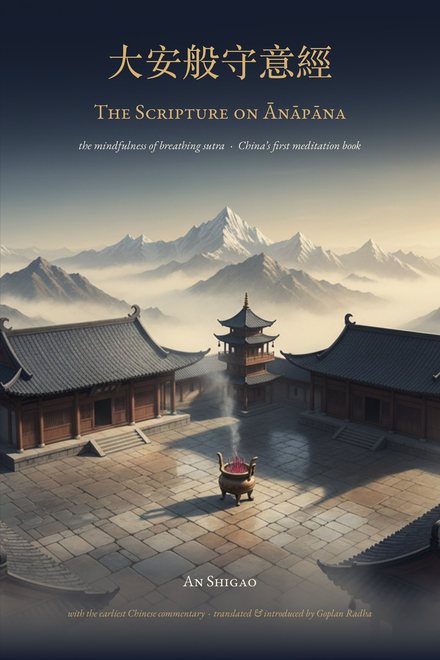
The Scripture on ĀnāpānaNew

The Mindfulness of Breathing Sutra of An Shigao — China's First Meditation Book

In the year 148 a Parthian prince who had renounced his throne reached the Chinese capital and began teaching people to watch their breath. The book of that teaching is the oldest meditation manual in the Chinese language — here translated whole for the first time.

An Shigao · translated by Goplan Radha148 ppPaperback · Kindle
II

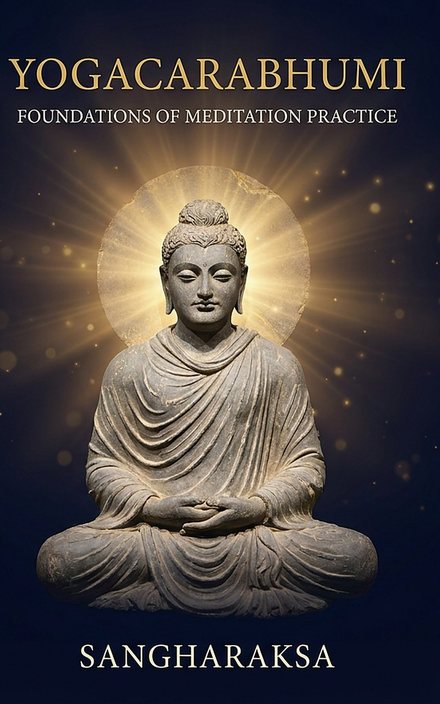
Foundations of Meditation Practice

Saṅgharakṣa's Yogācārabhūmi — the meditation manual of China's first meditators

Around the turn of the first century, in Gandhāra — where Greek art met Indian thought — the elder Saṅgharakṣa set down a complete course in how to meditate. In 284 CE it entered Chinese and became one of the first real answers China ever received to a simple question: how, exactly, is this done?

Saṅgharakṣa · translated by Lennart Lopin375 ppPaperback · Hardcover · Kindle
III

The Dharmatrāta Dhyāna Sūtra

A Himalayan meditation manual — and the roots of Zen

Around the year 411 the Indian monk Buddhabhadra brought a living tradition of meditation from the mountain country of Kaśmīr and Gandhāra. The book he carried and translated into Chinese is this one — a complete and practical course, among the very first ever to reach China.

translated by Lennart Lopin228 ppPaperback · Kindle
IV

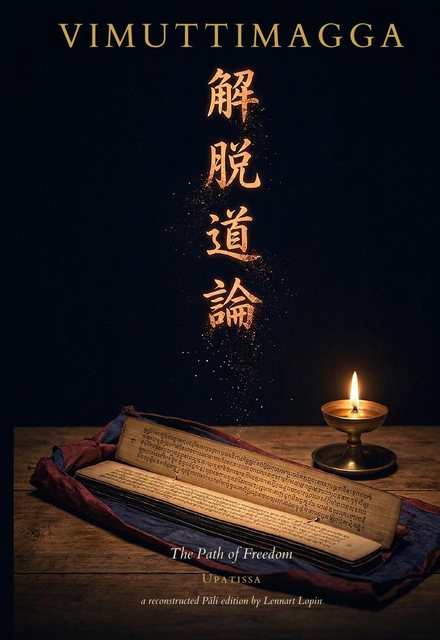
VimuttimaggaNew

The Path of Freedom — a reconstructed Pāli edition

Before Buddhaghosa wrote the Visuddhimagga, there was another book — and its Pāli original vanished. This edition reconstructs all twelve chapters from the sole Chinese witness, in a four-tier typography that keeps the work honest on every line.

Upatissa Thera · reconstructed and edited by Lennart Lopin463 ppPaperback · Hardcover

Series two

Stories & Chronicles

The books Buddhist Asia actually grew up on — story collections, lives of the elders, and island chronicles, copied onto palm leaf for seven hundred years and never before put into English.

I

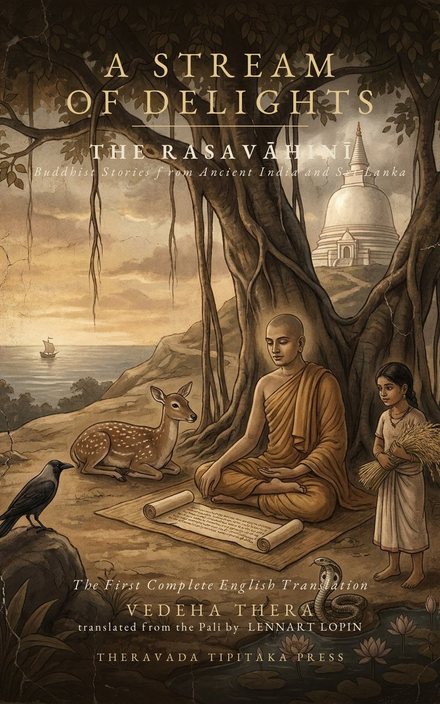
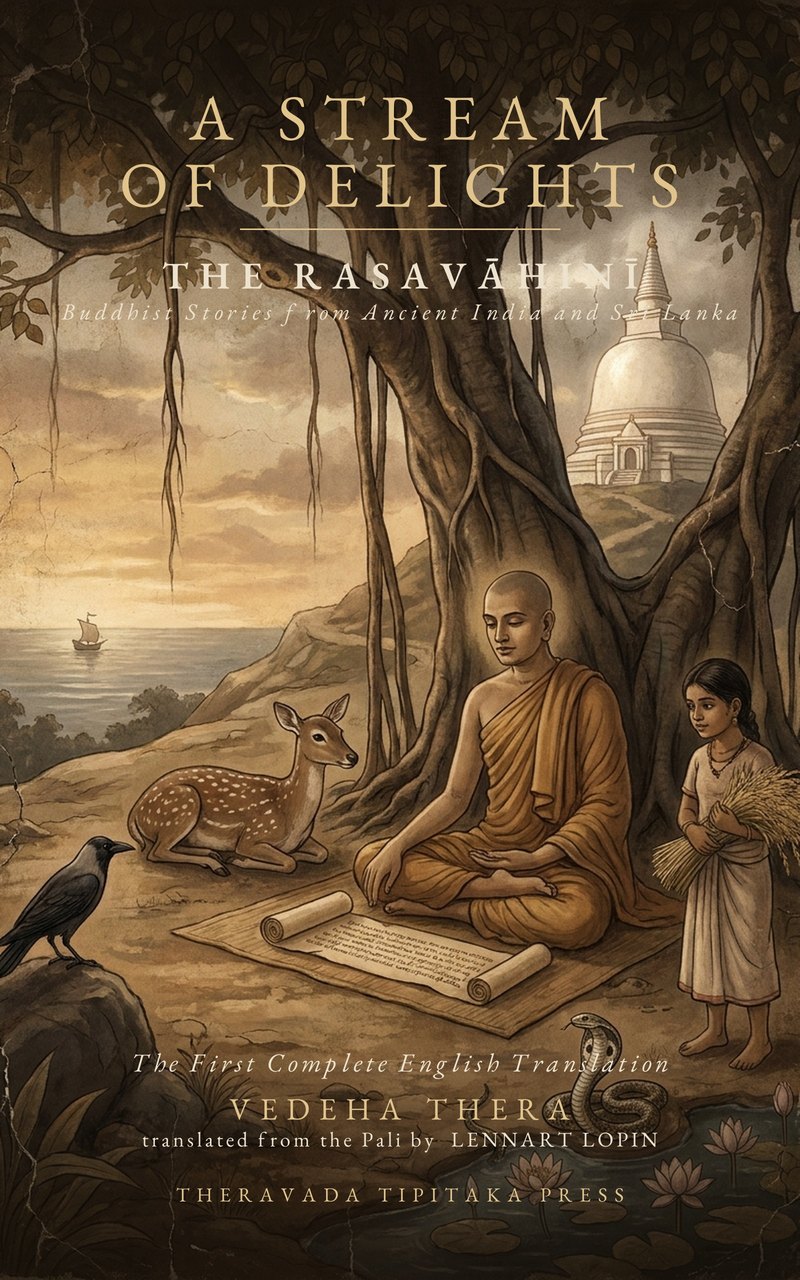
A Stream of Delights

The Rasavāhinī — Buddhist stories from ancient India and Sri Lanka

For seven hundred years these were the stories Sri Lanka grew up on — the deer who died listening to a sermon, the crow who paid his debts, the girl who crossed the sea on faith alone. All one hundred and three, in English for the first time.

Vedeha Thera · translated by Lennart Lopin544 ppPaperback · Kindle
II

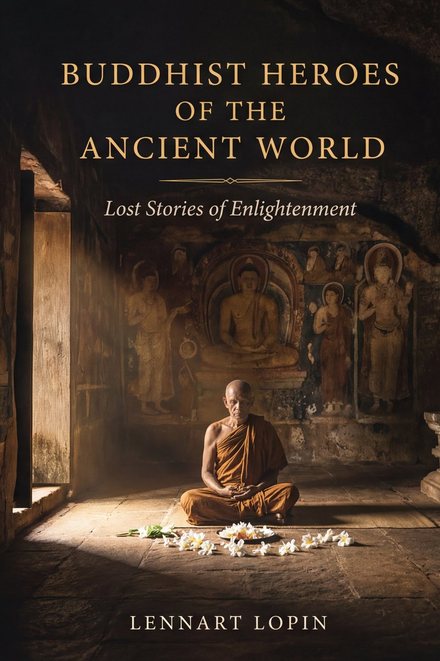
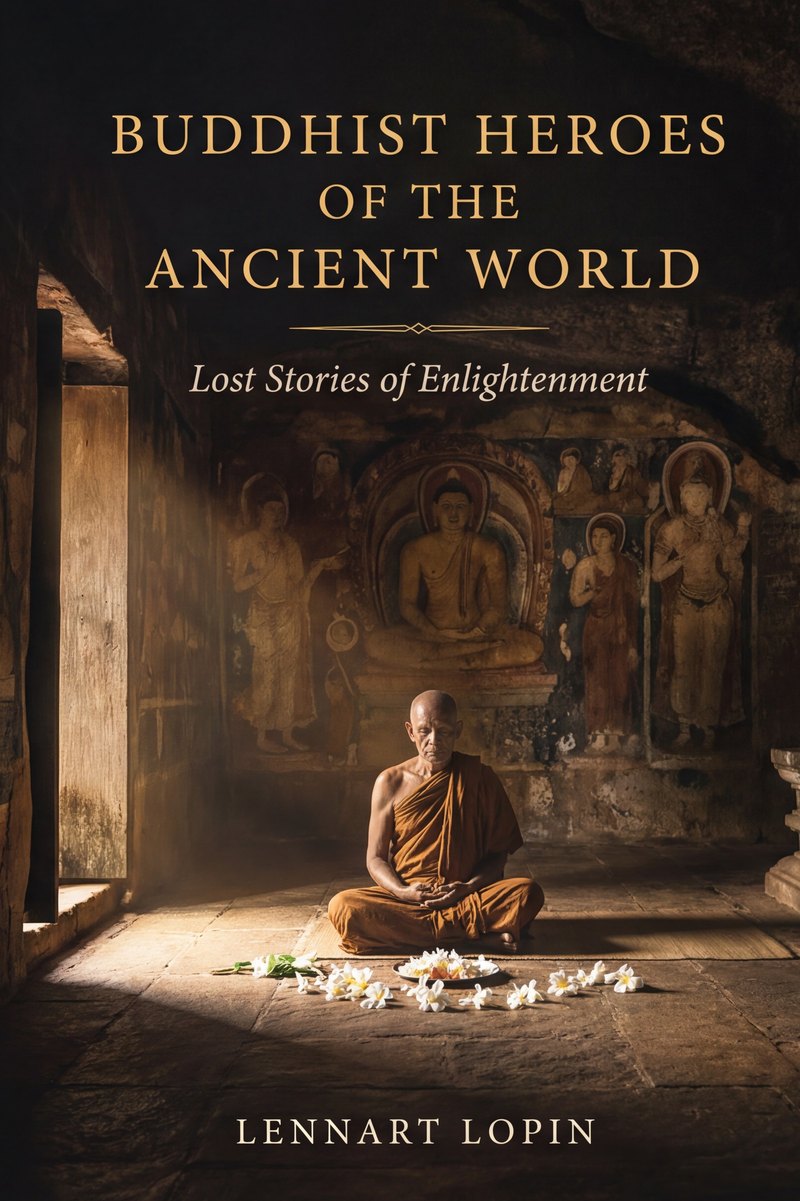
Buddhist Heroes of the Ancient World

Lost stories of enlightenment from the Pali commentaries

If you love Zen stories, meet their ancestors. Centuries before Zen was born, monks in the meditation caves of an ancient island told stories just like these — short, startling, and true.

Lennart Lopin466 ppPaperback · Kindle
III

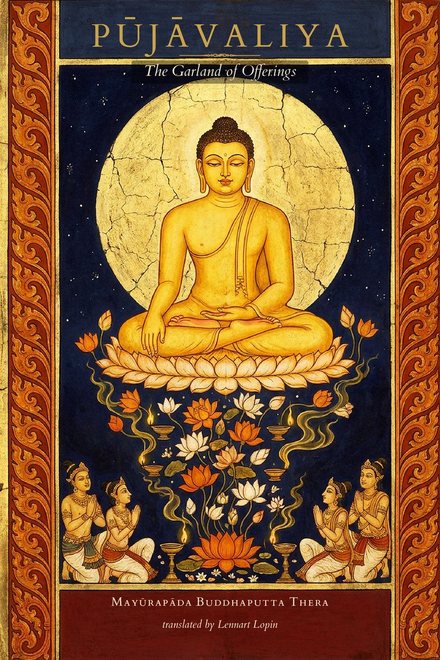
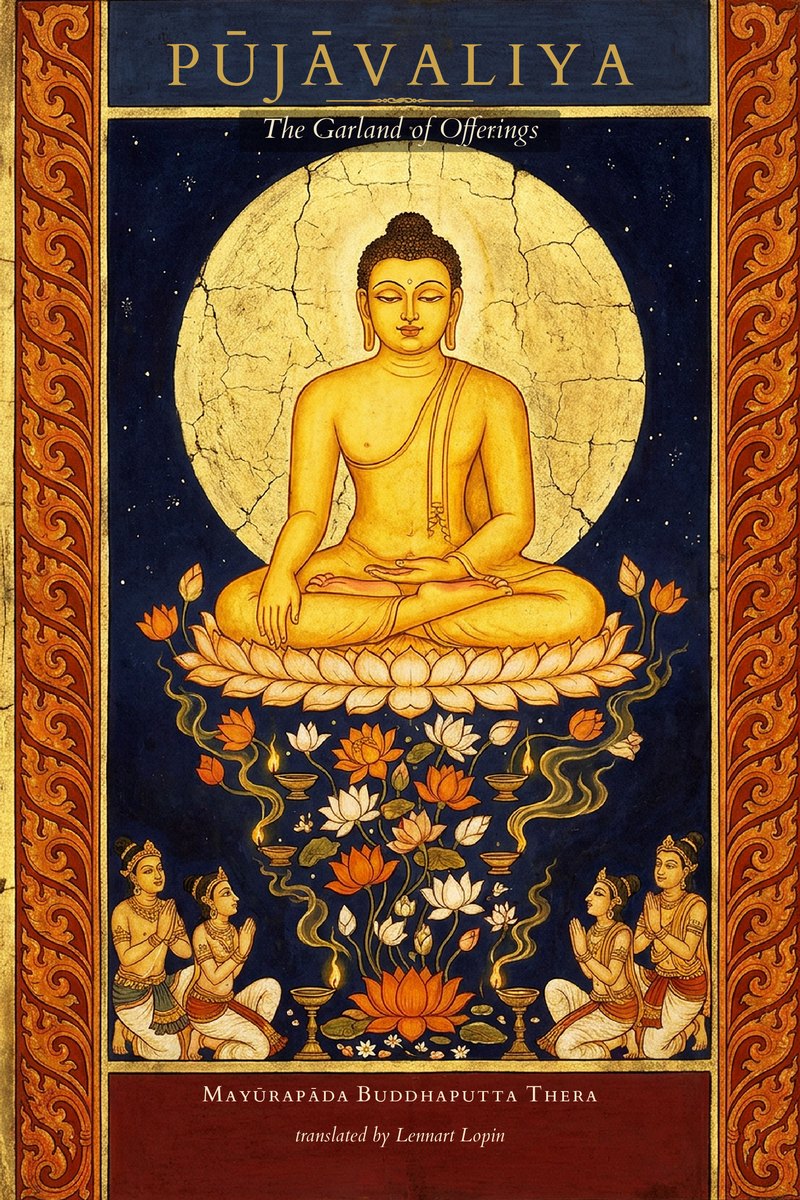
Pūjāvaliya

The Garland of Offerings — a masterwork of classical Sinhala literature

Composed around 1270 at the court of Dambadeṇiya, the Pūjāvaliya presents a complete life of the Buddha and ends with the arrival of his relics on the island — a closing chapter that stands among the earliest written histories of Sri Lanka.

Mayūrapāda Buddhaputta Thera · translated by Lennart Lopin824 ppPaperback · Hardcover · Kindle
IV

The King Who Gave His Head

The Chronicle of the Hatthavanagalla Monastery

A new translation of the Hatthavanagallavihāravaṃso, the thirteenth-century Pali chronicle of King Sirisaṅghabodhi — the king who gave his own head rather than let a war be fought for him.

translated and introduced by L. Lopin159 ppPaperback · Kindle
Series three

The Pāli Course

A natural-method course in the Buddha's own language, taught the way Lingua Latina teaches Latin: entirely in Pāli, with no translation anywhere, until you find yourself reading the canon in the words it was recited in.

I

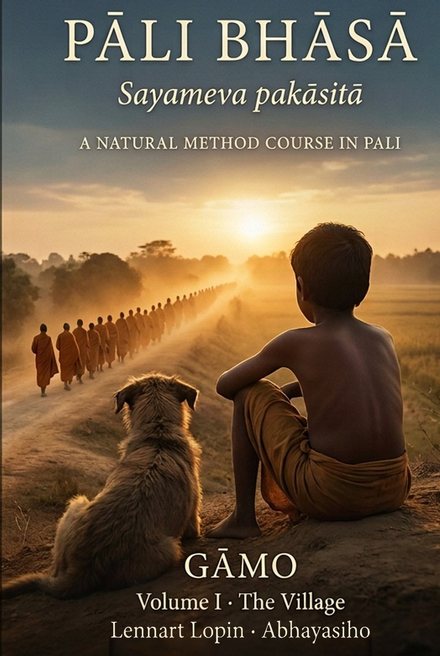
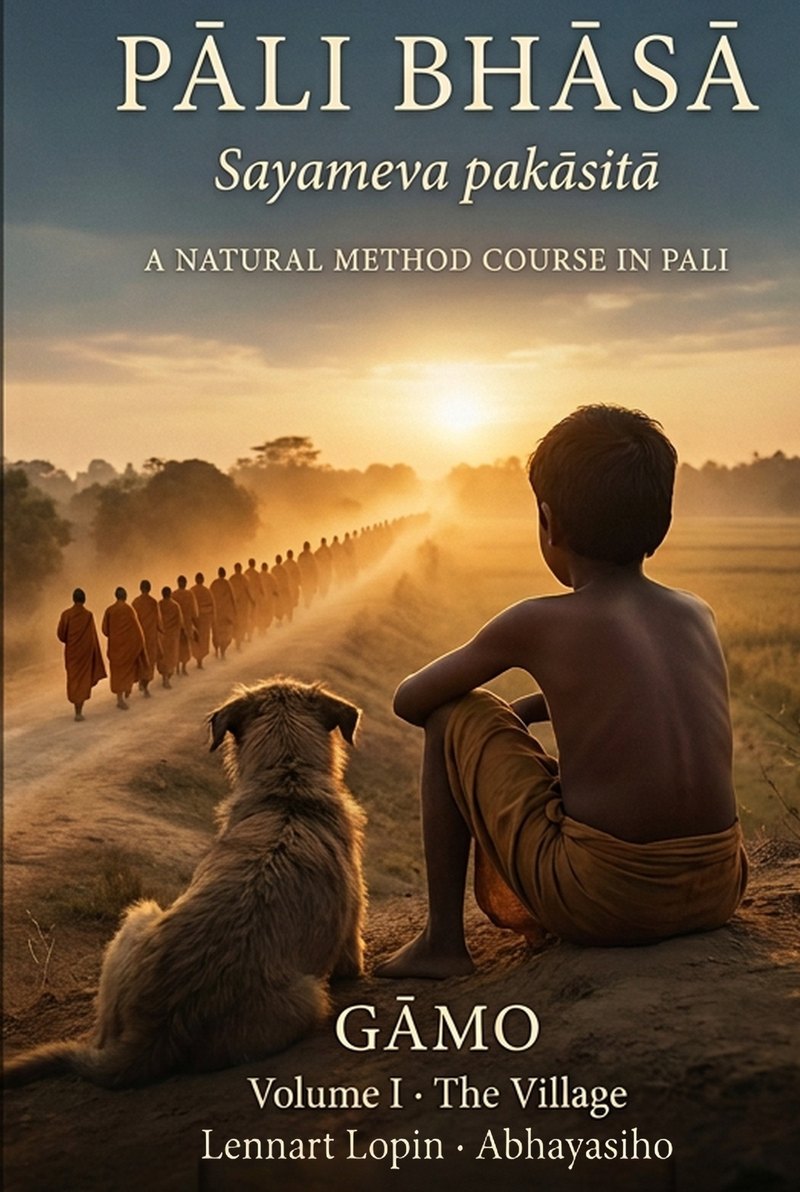
Pāli Bhāsā I — Gāmo

Volume I: The Village — a natural-method course in Pāli

Learn Pāli, the Buddha's own language, by living in it. A world of farmers and potters, of festivals and monsoon rains, told entirely in simple Pāli that grows with you, page by page.

Lennart Lopin · Abhayasiho345 ppPaperback · Hardcover · Kindle · Interactive Reader
II

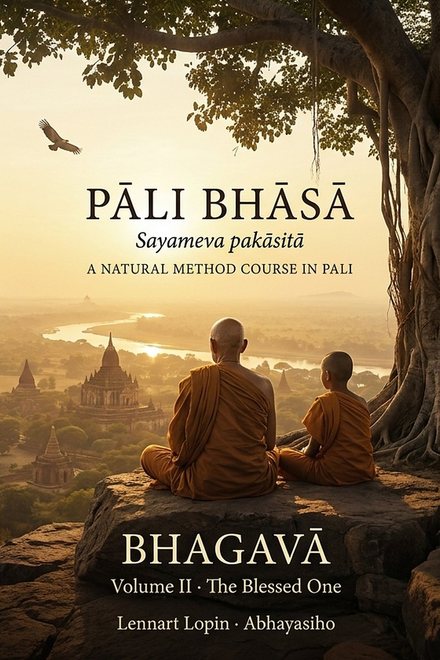
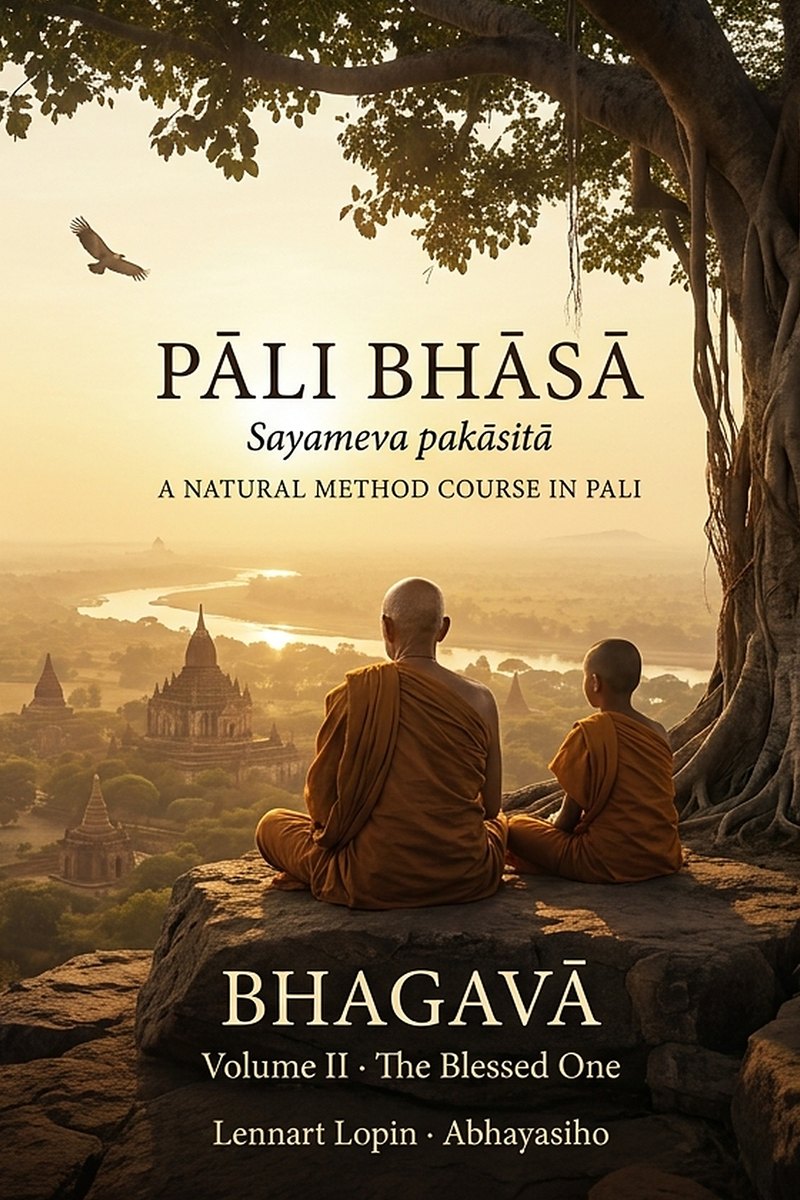
Pāli Bhāsā II — Bhagavā

Volume II: The Blessed One — the Buddha's last years

Volume II follows the young monk Nando across northern India in the Buddha's last years — climbing from simple narrative to the suttas themselves, read in the exact words of the canon.

Lennart Lopin · Abhayasiho371 ppPaperback · Kindle
III

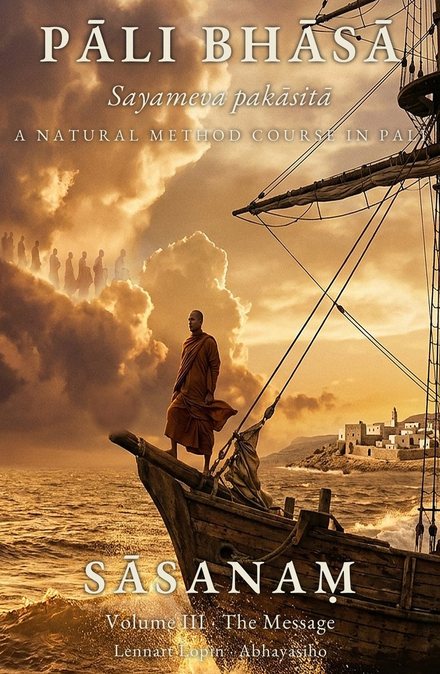
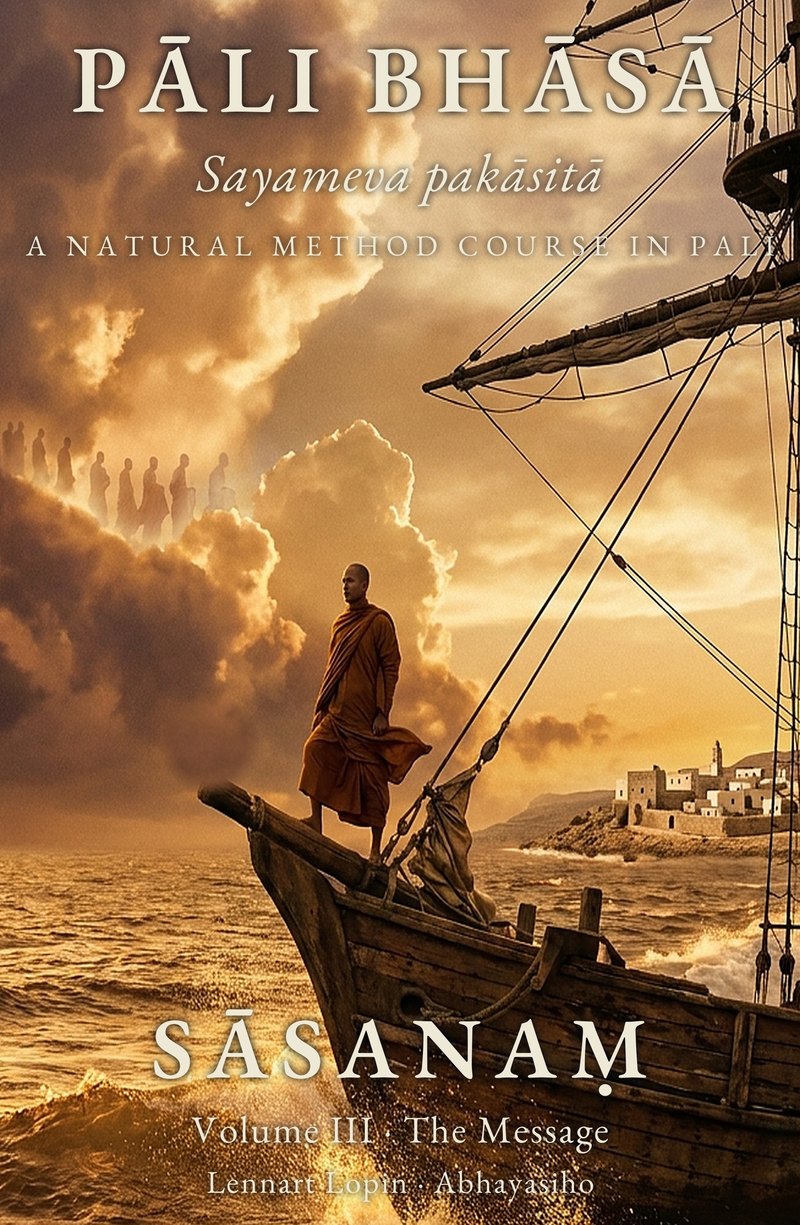
Pāli Bhāsā III — Sāsanaṃ

Volume III: The Message — keeping the Buddha's words alive through the age of empires

The Buddha's message crosses the sea. Six generations of reciters carry the words through councils and schisms, past Alexander's armies and under Ashoka's edicts — until a monk steps onto the sands of Egypt with a memorized sutta.

Lennart Lopin · Abhayasiho365 ppPaperback · Kindle
IV

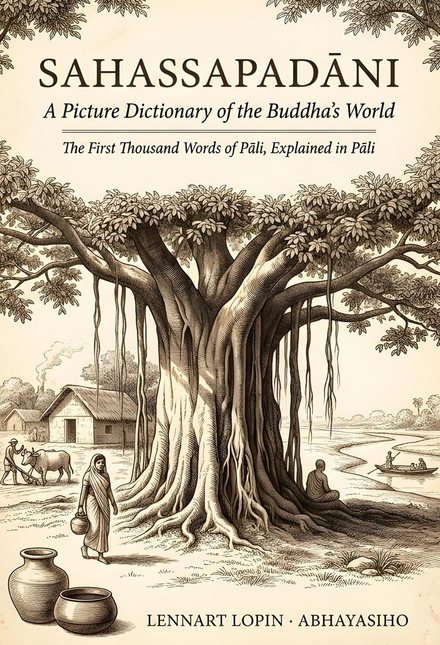
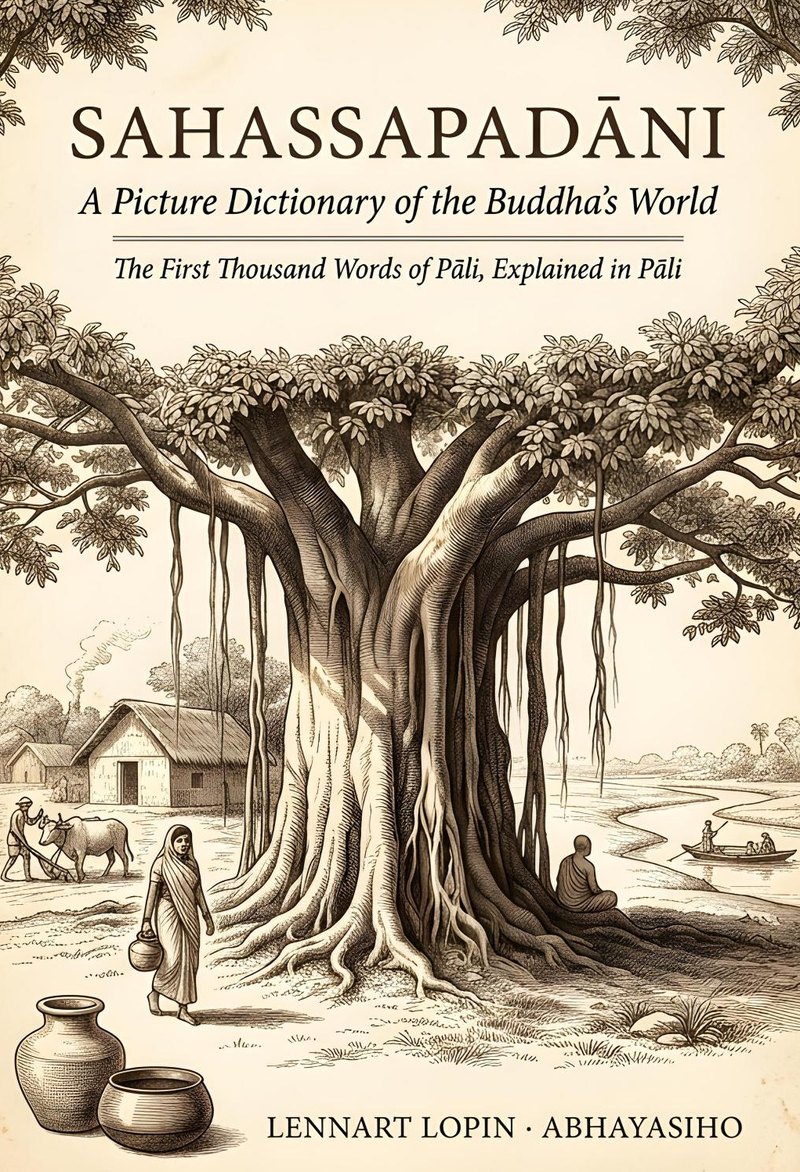
Sahassapadāni

A picture dictionary of the Buddha's world — the first thousand words of Pāli, explained in Pāli

The world the Buddha walked through — drawn, and named. Twenty-nine full-page engravings, everything in them numbered, and every number named and explained in Pāli.

Lennart Lopin · Abhayasiho160 ppPaperback · Hardcover
Series four

Studies & Guides

Books about how the canon works and how to read it — the ancient interpretive manual, a computational search for the Buddha's oldest words, and the meditation instructions hiding in plain sight.

I

The Netti

How to Read What the Buddha Taught

The canon's own manual of interpretation: how the Buddha's teachings are to be analysed, related, and applied. A modern translation of the Nettippakaraṇa, with commentary.

attributed to Mahākaccāyana · translated with commentary by L. Lopin268 ppPaperback · Kindle
II

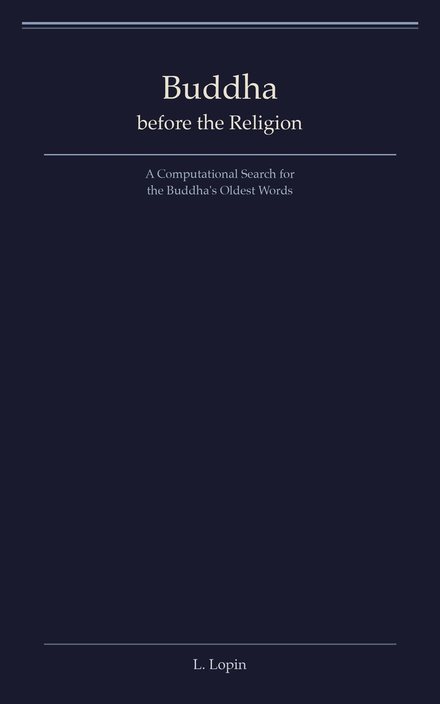
Buddha, before the Religion

A computational search for the Buddha's oldest words

Which words in the Pali Canon actually came from the Buddha? Scholars have debated it for 150 years. This book asks an algorithm — without telling it what to look for — and then translates what it heard.

L. Lopin419 ppPaperback · Kindle
III

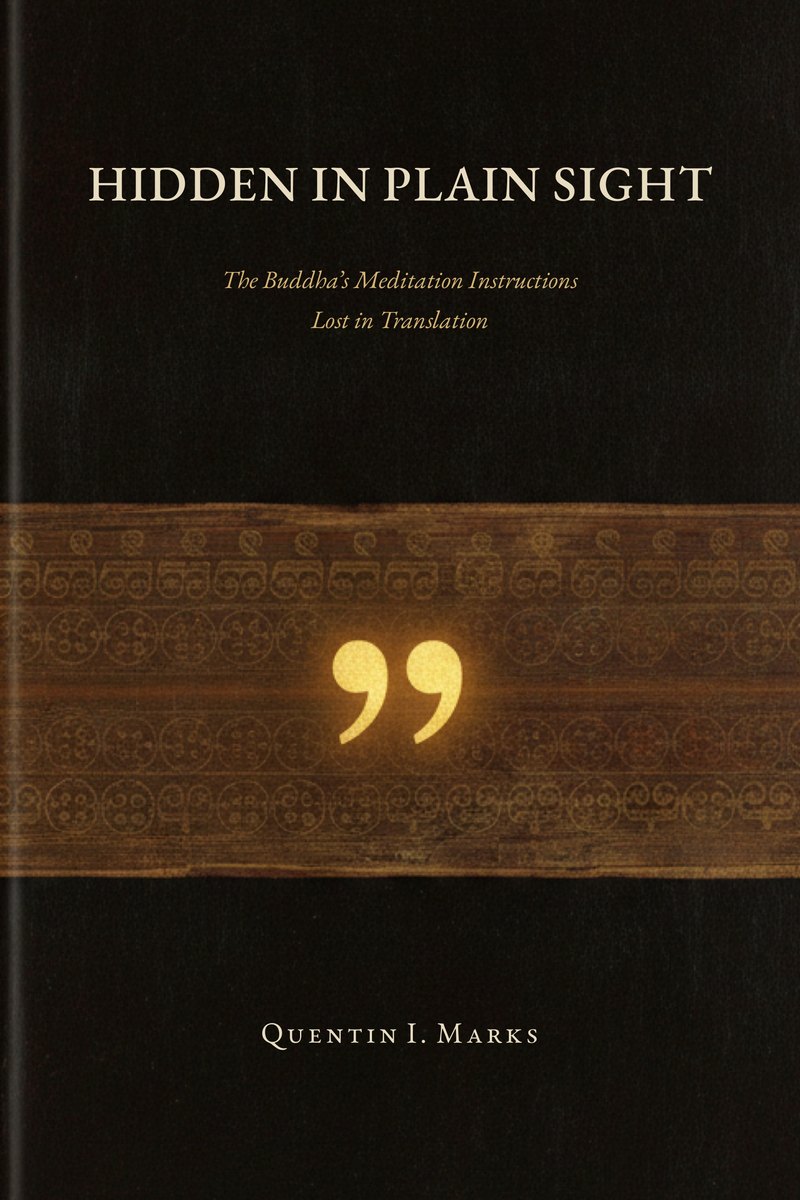
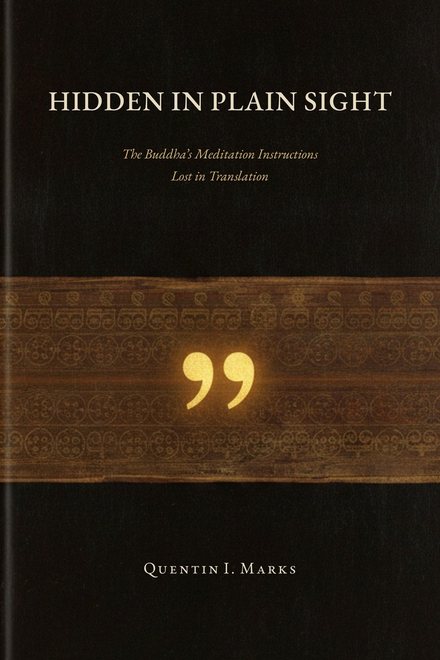
Hidden in Plain Sight

The Buddha's meditation instructions, lost in translation

The texts describe meditators constantly and seem to instruct them never. The claim of this book: the answer was on the page all along — in the quotation marks that English translations wiped away.
Quentin I. Marks138 ppPaperback · Kindle
Series five

The Pāli Canon in Pāli

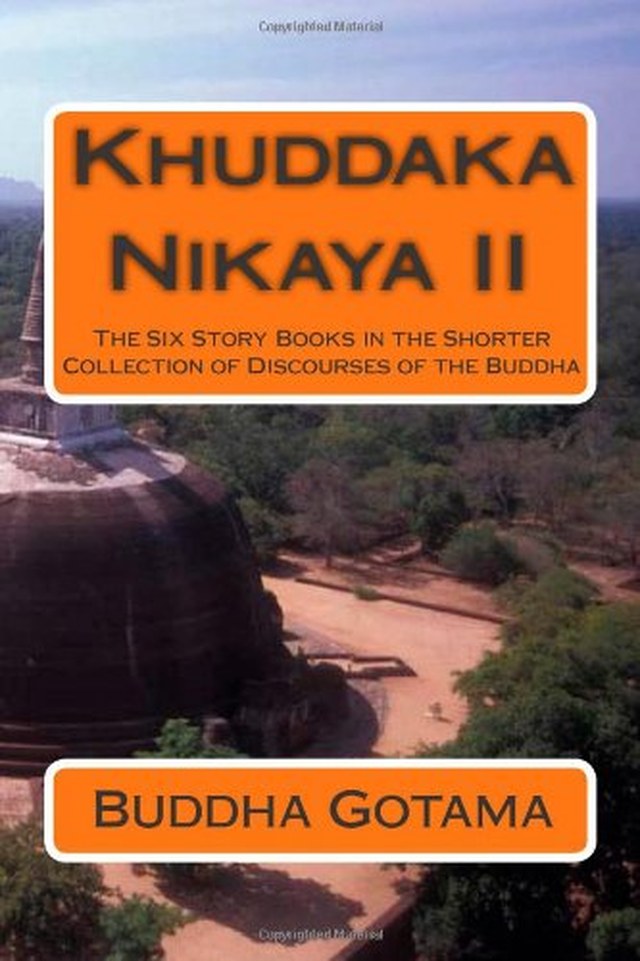
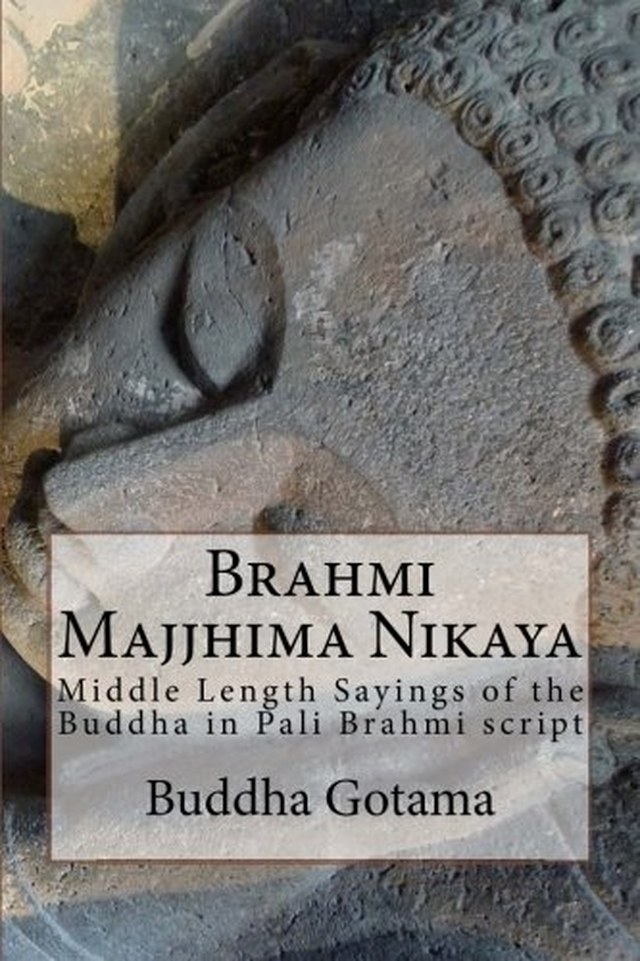
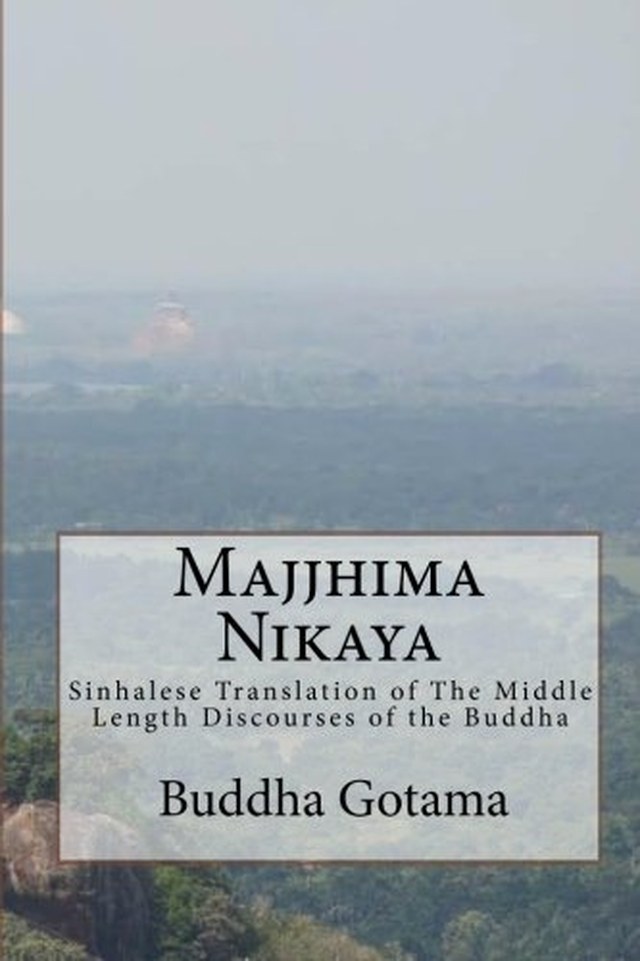
These were made to be carried. The aim was to squeeze a whole division of the canon into a single paperback — the Saṃyutta entire at 790 pages, the Visuddhimagga at 694 — so that the text travels instead of sitting on a shelf. One volume, or the four Nikāyas together, is enough to take into a forest and have everything, needing nothing else. Unabridged, in the language it was recited in, in Roman script — with the Majjhima also set in Brāhmī and in Sinhala.
II

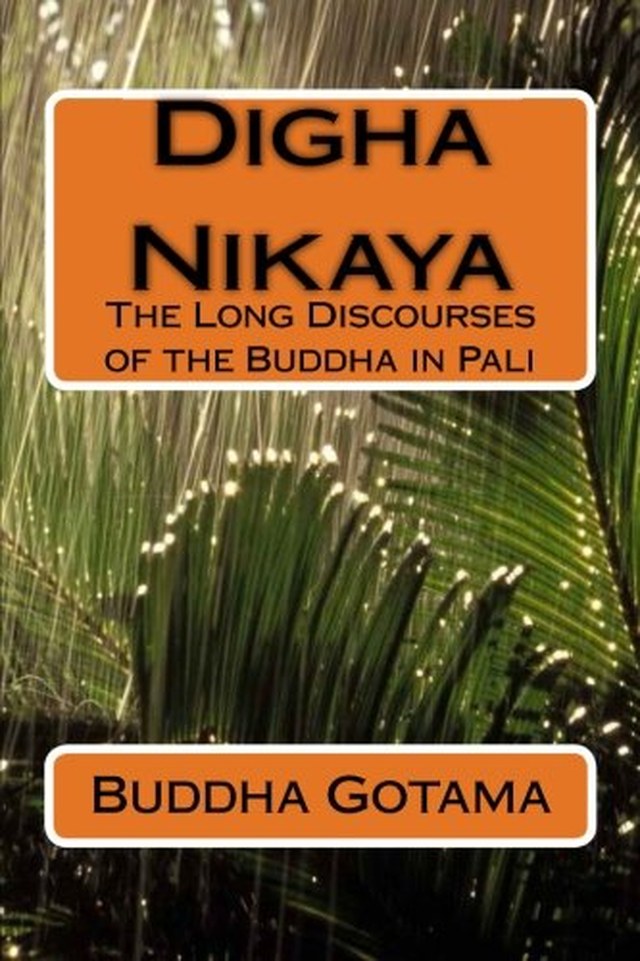
Dīgha Nikāya

The Long Discourses of the Buddha, in Pāli

The thirty-four long discourses — among them the Buddha's last days and the four foundations of mindfulness — complete in the original Pāli.

Buddha Gotama472 ppPaperback
IV

Saṃyutta Nikāya

The Connected Discourses of the Buddha, in Pāli

The connected discourses — the four noble truths, dependent origination, the six senses, the eightfold path — complete and unabridged in Pāli.

Buddha Gotama790 ppPaperback
VII

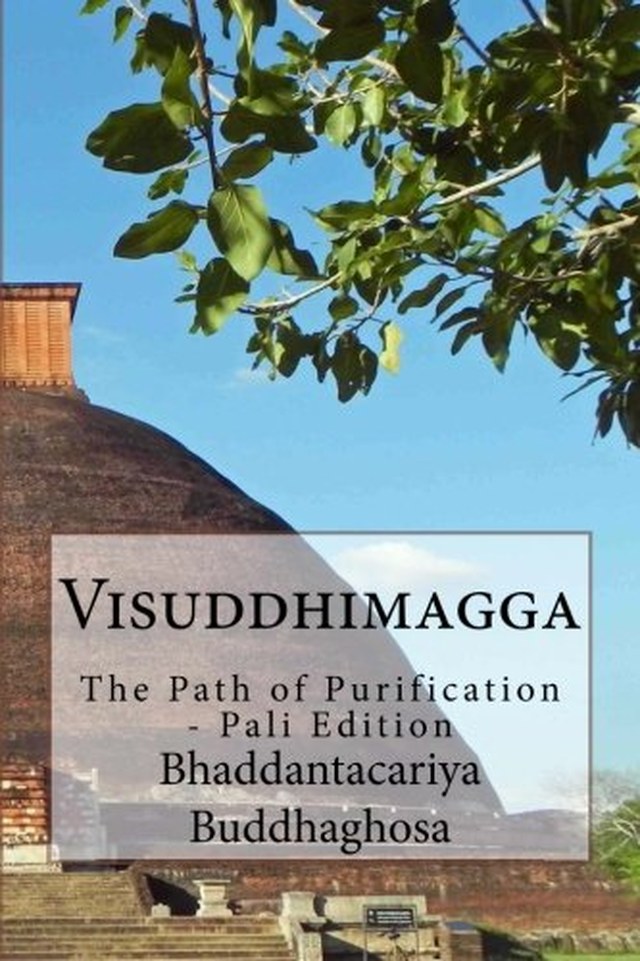
Visuddhimagga

The Path of Purification — Pāli edition

Buddhaghosa's fifth-century summa of doctrine and meditation — the forty subjects of concentration and the stages of insight — complete in the original Pāli.

Bhadantācariya Buddhaghosa694 ppPaperback
Series six

Bilingual Editions & Early Essays

The earlier list, from 2010 to 2015: bilingual study editions setting Pāli beside English or German for readers learning to read the canon in its own words, and two short volumes of essays on practice.

I

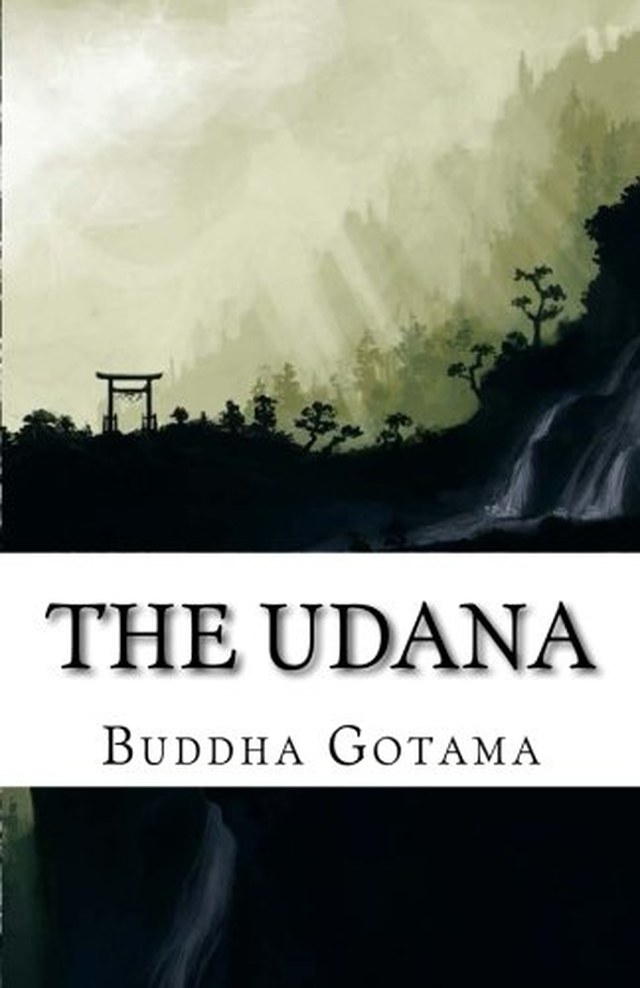
The Udāna

The Solemn Utterances of the Buddha — bilingual edition

Eighty short suttas, each closing in a verse spoken by the Buddha — the source of the blind men and the elephant. Pāli and English set side by side.

Buddha Gotama276 ppPaperback
III

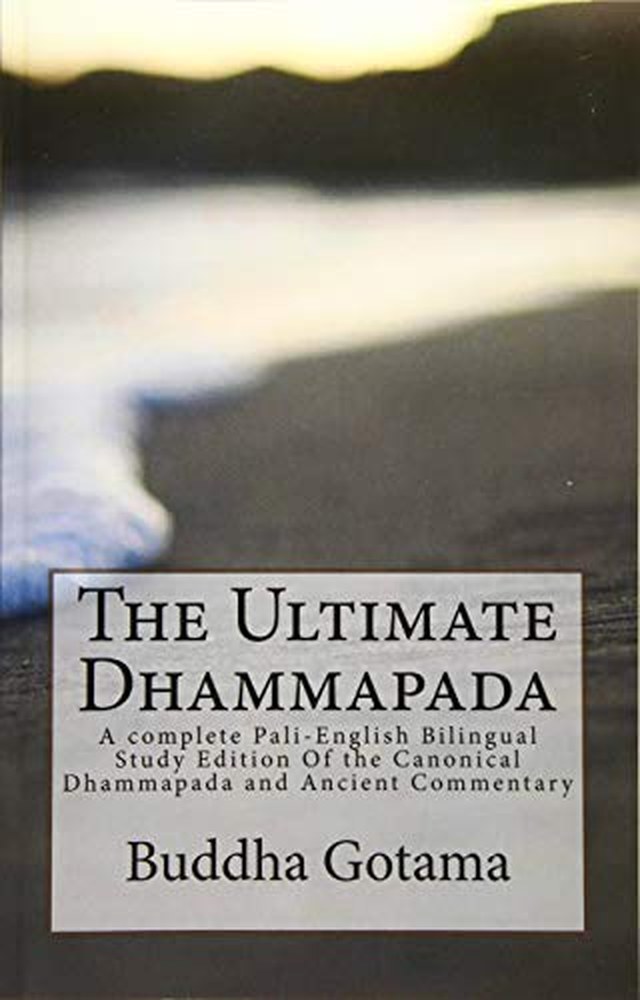
The Ultimate Dhammapada

A Pāli–English bilingual study edition with the ancient commentary

The Dhammapada with its commentary, in a word-by-word bilingual setting made for readers working their way into Pāli. Volume one.

Buddha Gotama96 ppPaperback
IV

Theragāthā

Zweisprachige Studienausgabe — Pāli und Deutsch

The verses of the elder monks in a Pāli–German study edition, the German-language volume of the bilingual series.

Buddha GotamaPaperback
VI

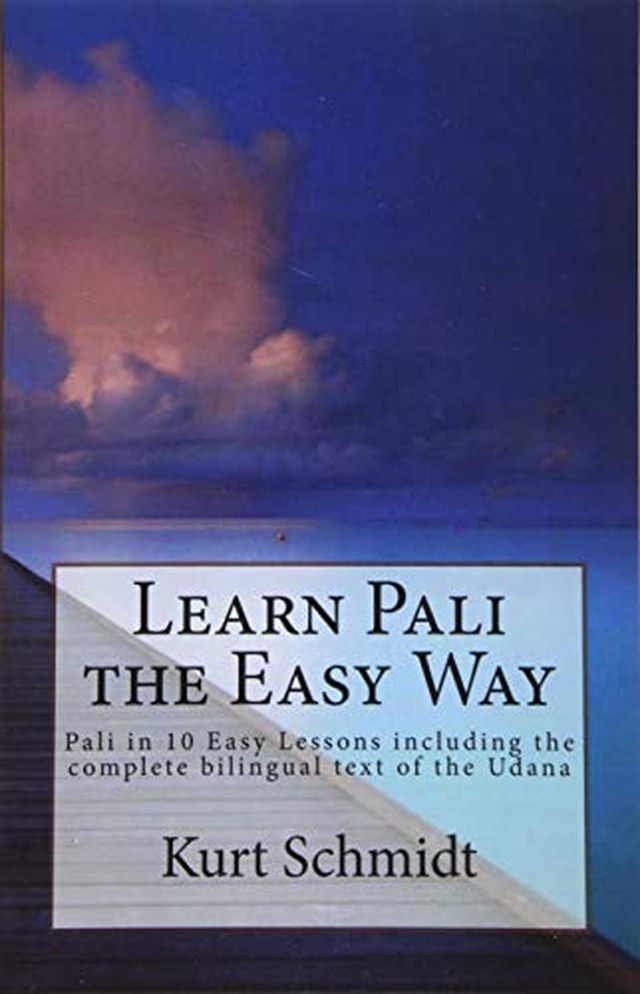
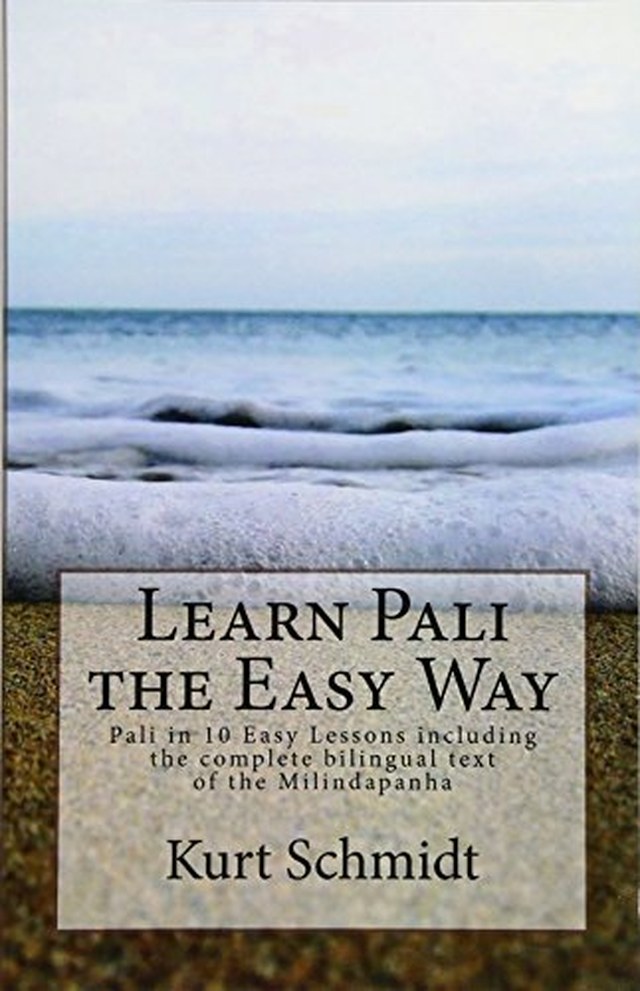
Learn Pāli the Easy Way

Pāli in ten lessons, with the complete bilingual Udāna

A beginner's Pāli course in ten lessons, built so the student reads real canonical text from the first chapter — with the whole Udāna set out sentence by sentence in Pāli and English.

Kurt Schmidt324 ppPaperback
VIII

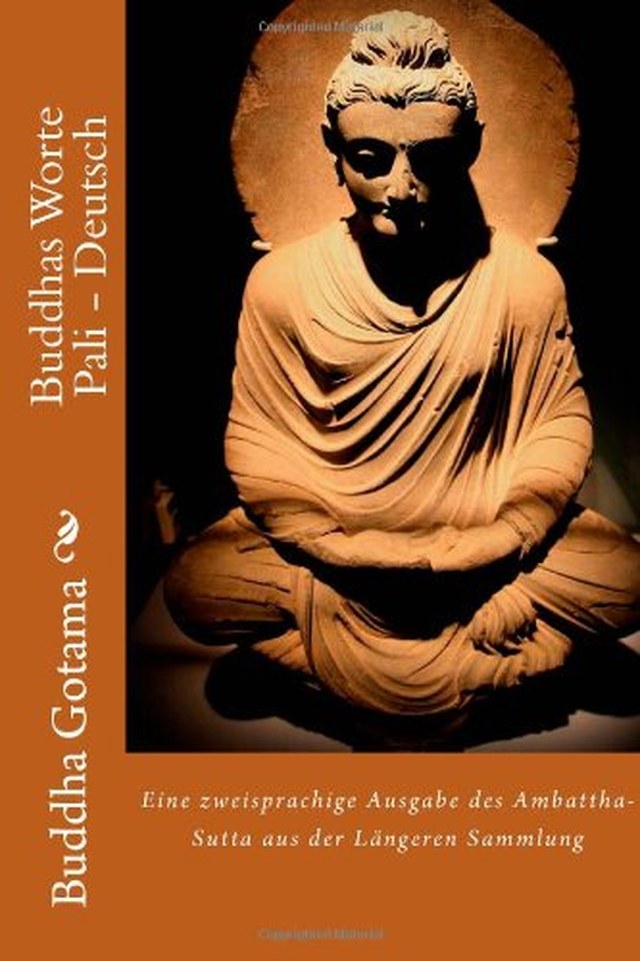
Buddhas Worte

Pāli–Deutsch zweisprachig: das Ambaṭṭha-Sutta

The Ambaṭṭha-sutta in a Pāli–German facing edition, from the German-language strand of the bilingual series.

Buddha GotamaPaperback
IX

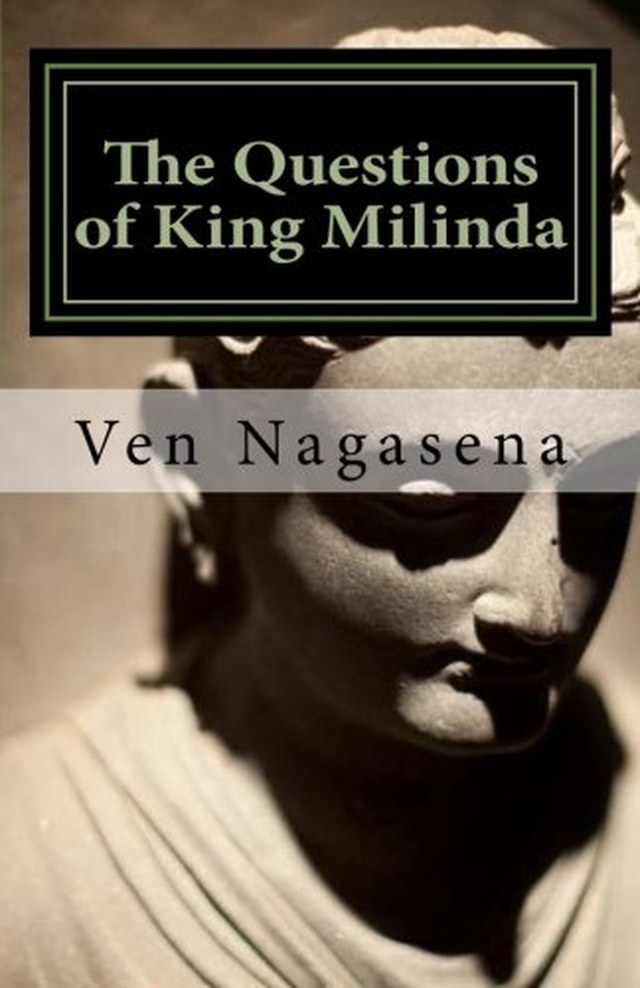
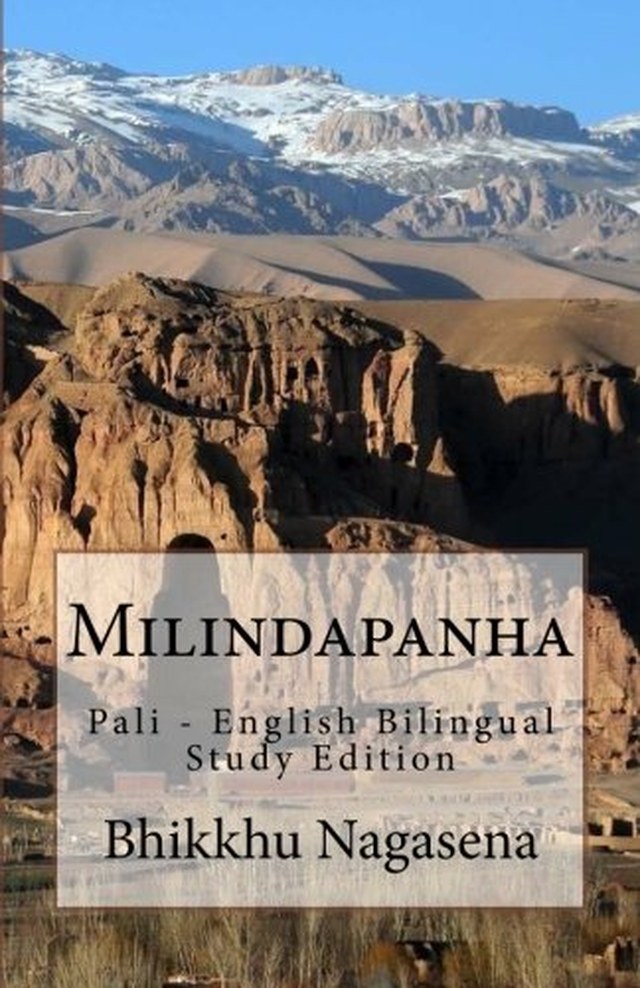
Milindapañha

Pāli–English bilingual study edition (2012)

The earlier bilingual setting of the Questions of King Milinda, Pāli faced with English throughout. Later reissued as The Questions of King Milinda.

Nāgasena166 ppPaperback
Series seven

Short Books

Essays and brief studies, most of them read in a single evening — on what the canon actually says about concentration and insight, on how the forest monks train, and on how far east the roots of some familiar western ideas may run.

II

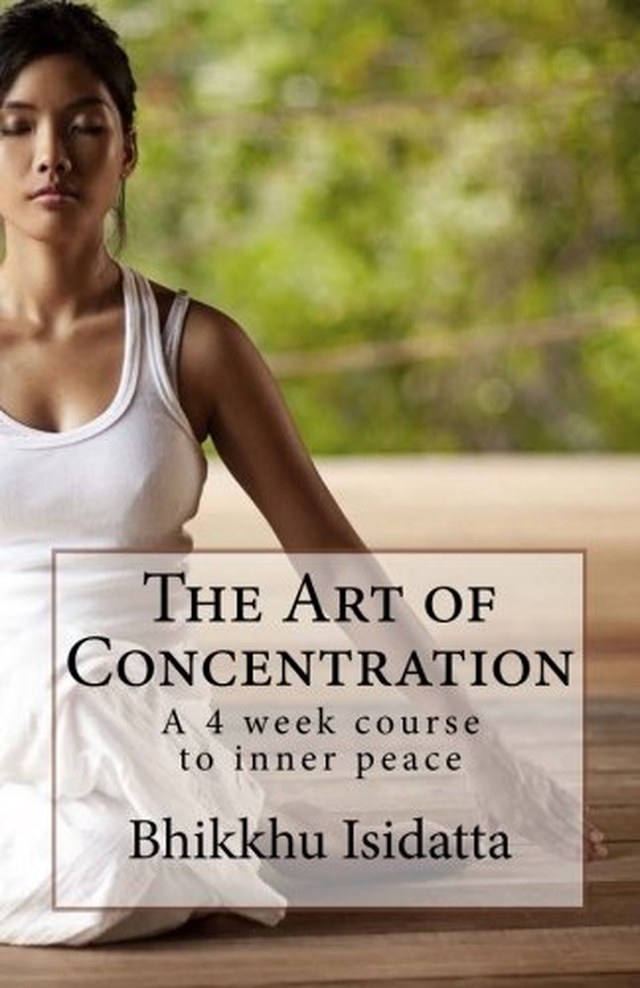
The Art of Concentration

A four-week course to inner peace

How the forest monks of Sri Lanka actually train concentration, set out as a four-week course — demanding, and aimed at the deep states the meditation masters describe.

Bhikkhu IsidattaPaperback
IV

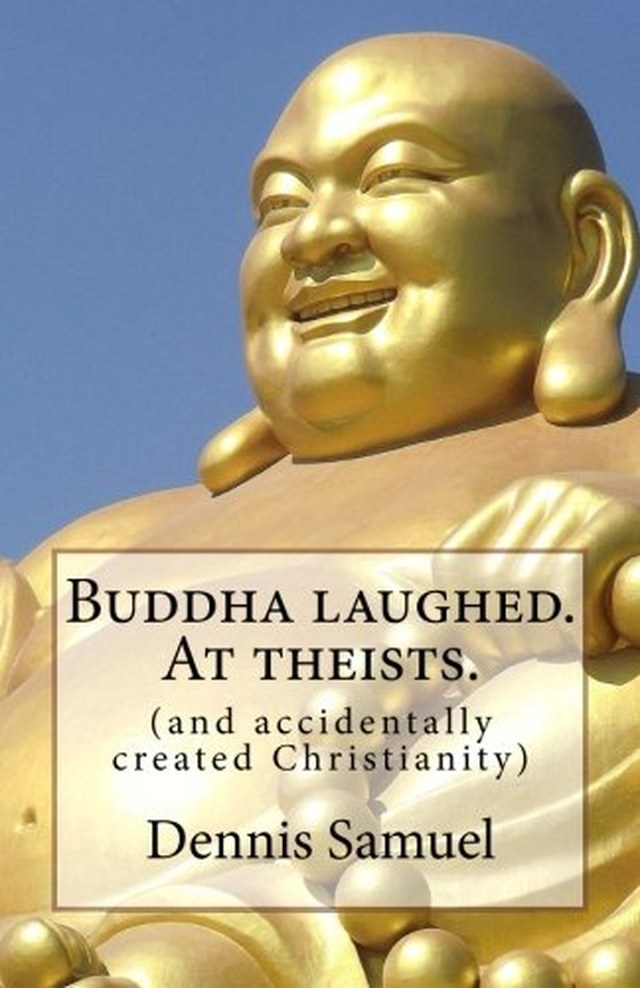
Buddha Laughed. At Theists.

And accidentally created Christianity

Part essay, part historical investigation: the spread of Buddhist ideas through the Middle East, Greece and Alexandria, and what it may have to do with the Gospels. Draws on Christian apocrypha, Greek artefacts and the Pāli suttas.

Dennis P. Samuel52 ppPaperback

“Count the breaths, one to ten, and begin again.”The Scripture on Ānāpāna · Luoyang, second century